
This Anthro Life – Savage Minds Crossover Series, part 3
by Adam Gamwell and Ryan Collins
This Anthro Life has teamed up with Savage Minds to bring you a special 5-part podcast and blog crossover series. While thinking together as two anthropological productions that exist for multiple kinds of audiences and publics, we became inspired to have a series of conversations about why anthropology matters today. We’re sitting down with some of the folks behind Savage Minds, SAPIENS, the American Anthropological Association and the Society for American Archaeology to bring you conversations on anthropological thinking and its relevance through an innovative blend of audio and text.
In our third episode of the TAL + SM crossover series, we explored SAPIENS’ approach to producing anthropological content for popular audiences. Ryan and Adam were joined by the digital editor of SAPIENS, Daniel Salas, to discuss the implications of using anthropology to engage the public through journalism. The episode focused on the questions How do you reconcile scientific and anthropological writing, and is this mixture a new genre? Is there a balance to be found between producing timeless “evergreen” stories versus current events focused content for audience engagement?
Be sure to check out the first and second episodes of the TAL + SM collaboration: Writing “in my Culture” and Anthropology has Always Been out There. Continue reading
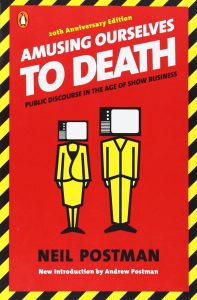 Back in 1985 Postman wrote a little book called “Amusing Ourselves to Death,” which I happened to use for a class on culture and film I was teaching last year. It turned out to be a prescient book to be reading during the 2016 campaign season (and then some). Postman’s book focuses on the erosion of public discourse in the US, and he faults TV as one of the primary corrosive forces. While there are admittedly some holes in his argument, especially from an anthropological perspective,
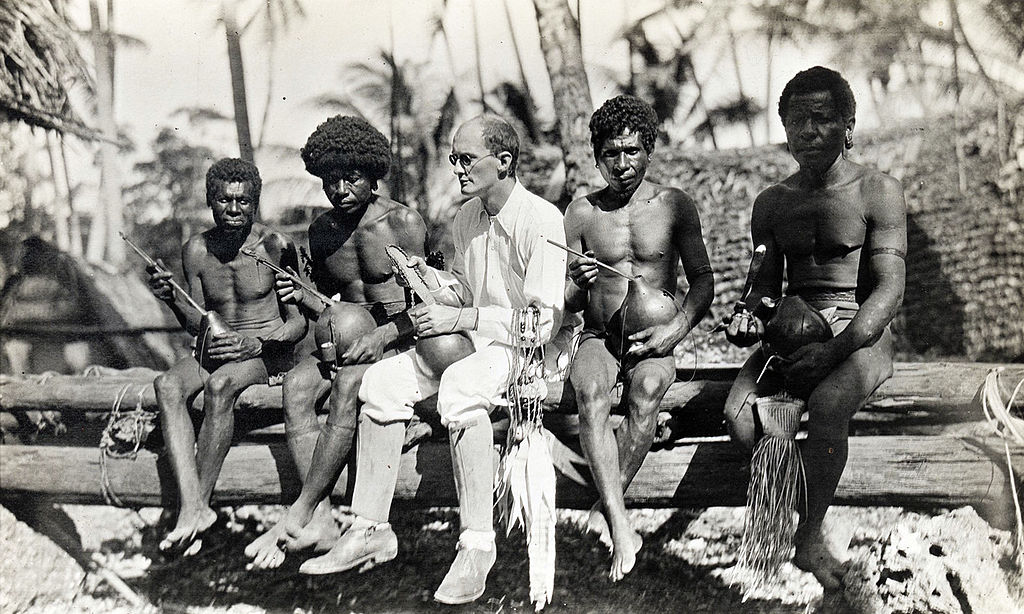 The canonical author of the canonical book, naked black people, white guy in white clothes being White — for a lot of people, it’s totally crazy-making. But in many ways, Malinowski was far more more complicated than we given him credit for. There are many people who deserve more criticism for their role in colonialism than Malinowski (just wait for my blog post on Julian Steward). This is not to absolve Malinowski of whatever sins he committed. Rather, it’s just to ask that we remember what he actually did rather than project sins onto him.