As an anthropologist working at the intersection of anthropology and development studies I sometimes undertake work for development organizations. The kind of work I do does not fall into the category of applied anthropology or the work of cultural translation. Most often I’m asked to provide, in written form, a rapid analytical overview of an issue or situation in relation to a pressing policy objective. What counts as a situation or an issue is determined by the political context and policy framing which makes it relevant at a particular moment.
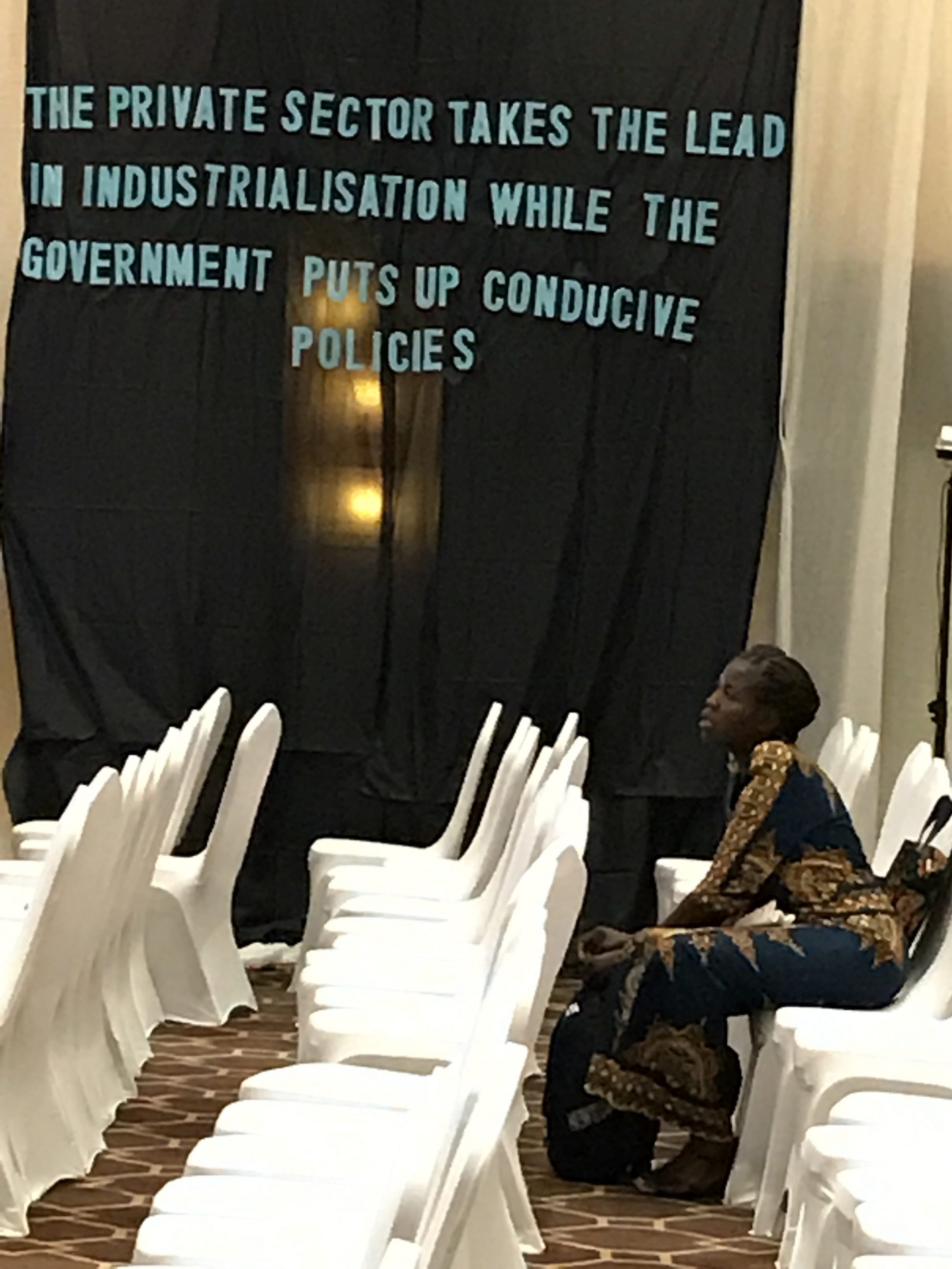
Such work can be challenging, personally and politically. Current development paradigms which fetishize market forces and the unfettered private sector as an engine for positive social transformation are laying the foundations that consolidate the entrenchment of new kinds of inequalities on an unprecedented scale. At the same time, financial transfers from richer countries to poorer ones provide much needed subsidies for improved public provision of essential basic services. Understanding where policies have traction, and for whom, is a critical part of the contested politics of development practice, within and between development organizations. Continue reading